Choosing the right outfit isn’t just about looking good, it’s about matching your appearance with your environment, your mood, and the message you want to send before you even speak.
Most people struggle not because they don’t have clothes, but because they don’t understand context dressing. This guide breaks it down in a simple, practical way so you always look intentional, not accidental.
1. Understand the Occasion First, Not the Outfit
Before thinking “what should I wear?”, ask:
Where am I going?
Who will I meet there?
What impression do I want to make?
Is it formal, semi-formal, or casual?
This single shift changes everything. The right outfit always starts with understanding the environment, not the wardrobe.
For example:
A dinner date is not the same as a casual hangout
A work meeting is different from a weekend brunch
A wedding should not be confused with a birthday hangout
If you ignore context, even expensive clothes can look “wrong.”
2. Match Your Outfit to the Dress Code (Even When It’s Unwritten)
Some events don’t clearly state dress codes, but they still have expectations.
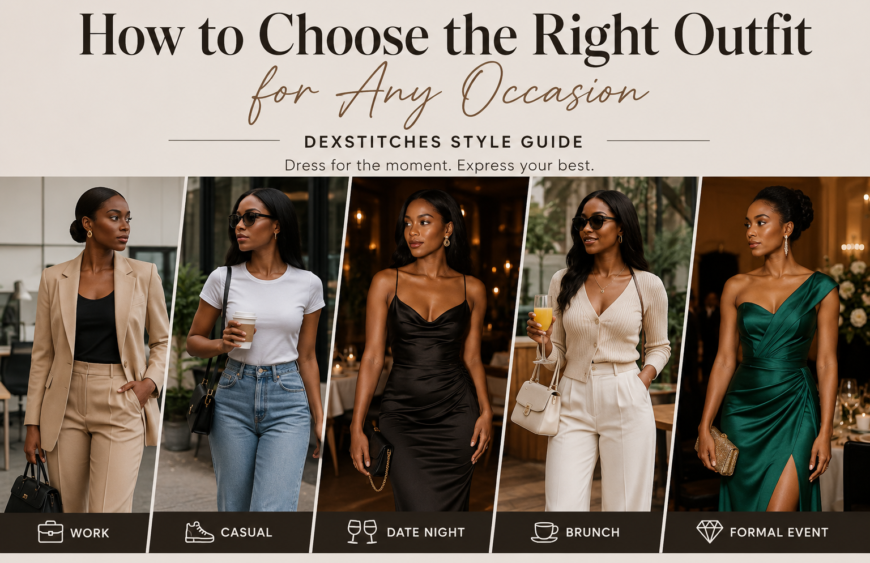
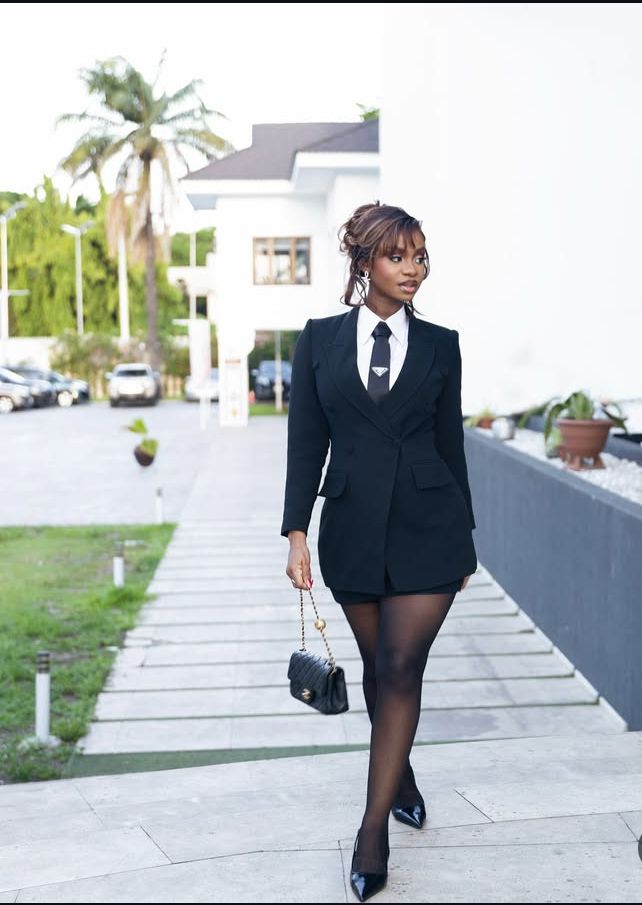
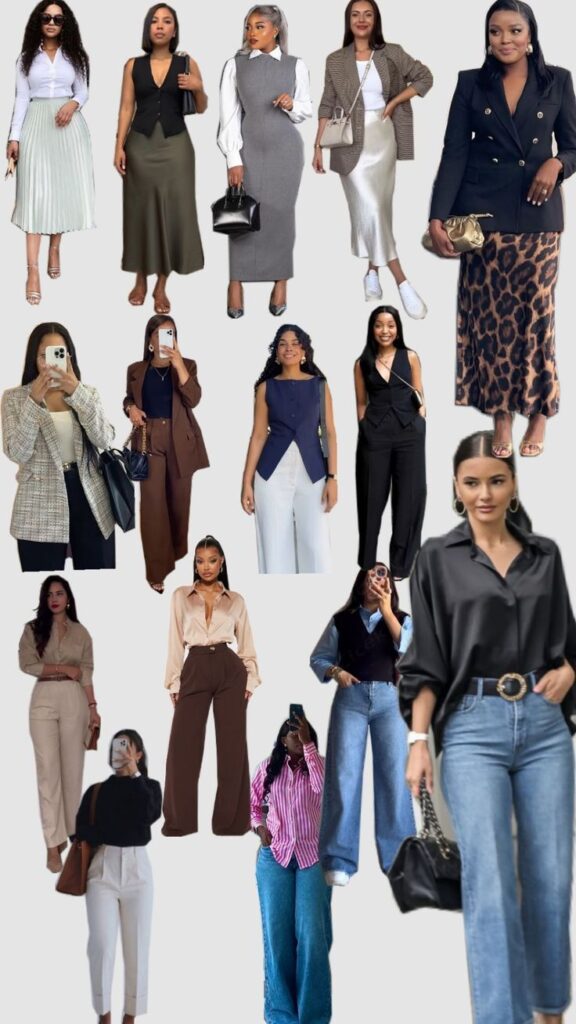
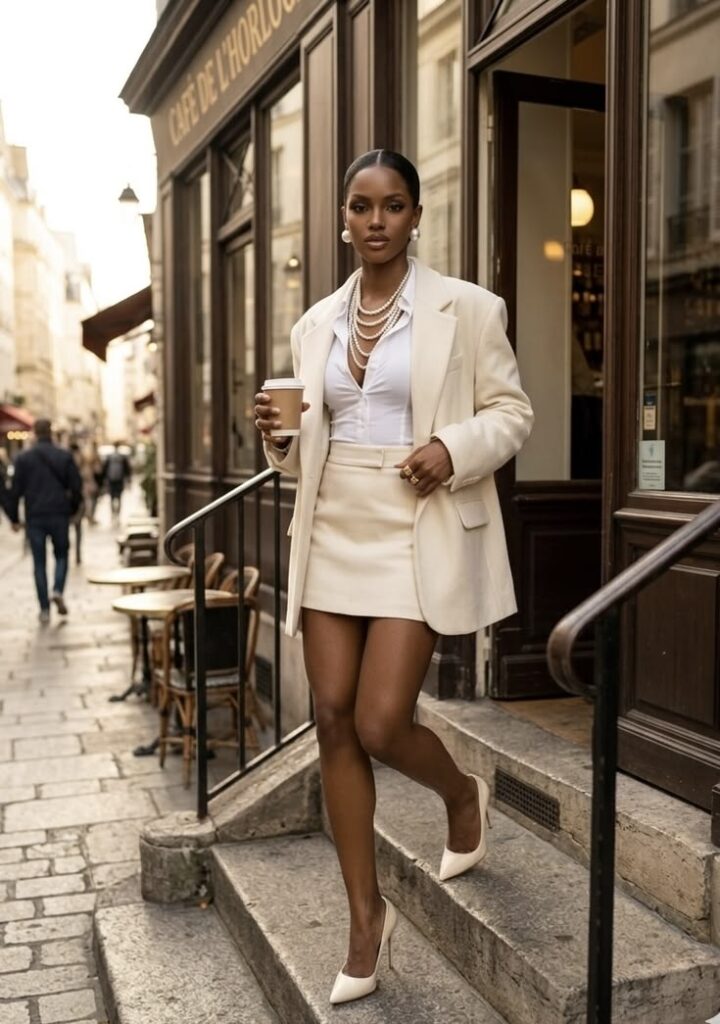
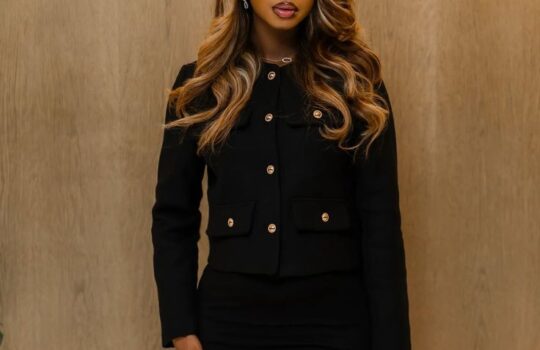
Corporate / Work Setting
Go for structured, clean looks:
Blazers
Tailored trousers or pencil skirts
Neutral or muted colors
The goal is clarity and confidence, not distraction.
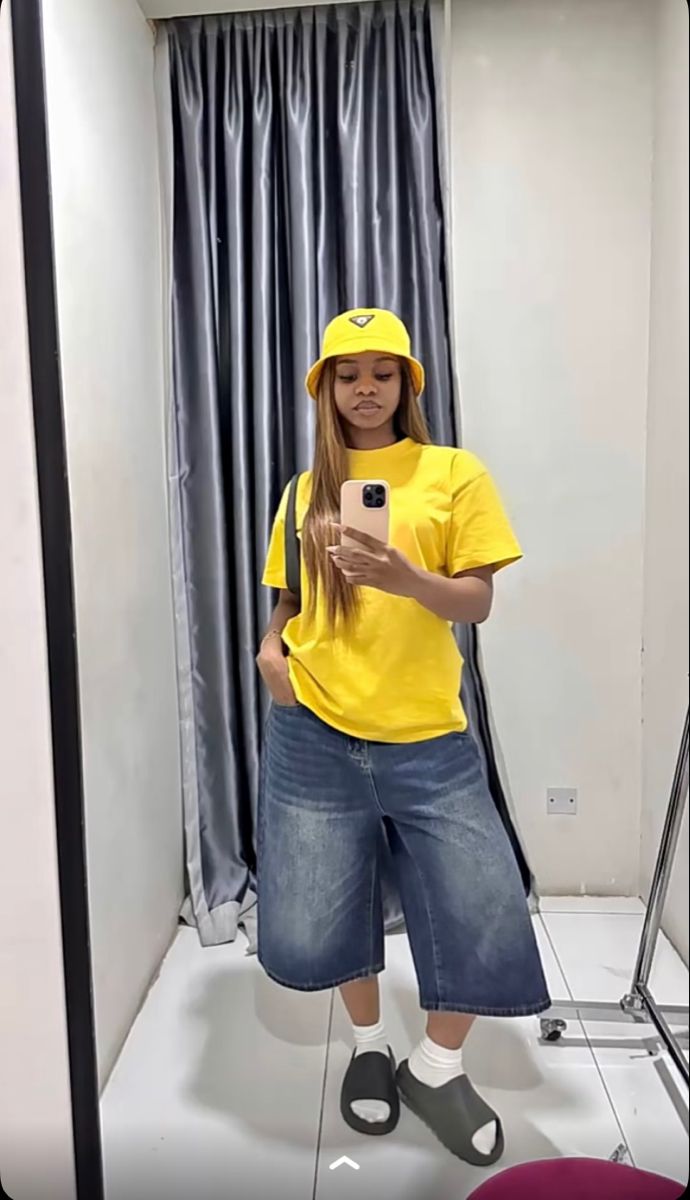
Casual Outings
This is where comfort meets style:
Fitted jeans or trousers
Simple tops or stylish crop pieces
Sneakers, slides, or low heels
You still want to look put together, not careless.
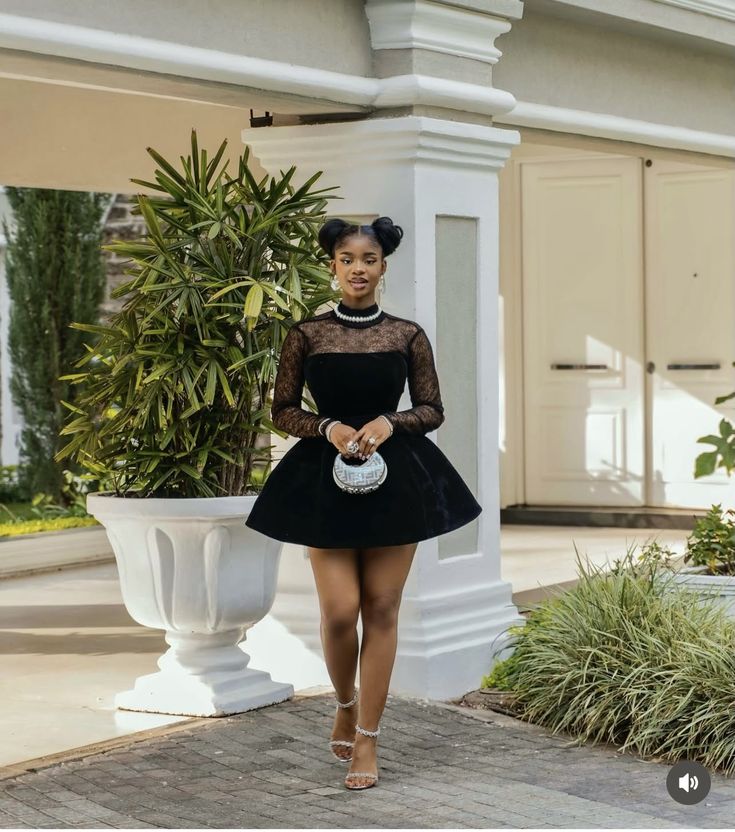
Dinner / Date Nights
Here, elegance matters more than simplicity:
Bodycon dresses or fitted sets
Soft glam colors (black, wine, nude, baby pink)
Heels or classy sandals
You’re not overdressed, you’re intentional.
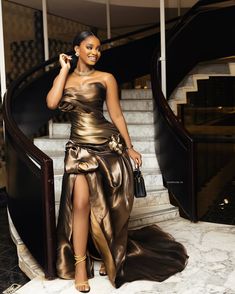
Weddings / Formal Events
This is where presence matters:
Flowing gowns or structured dresses
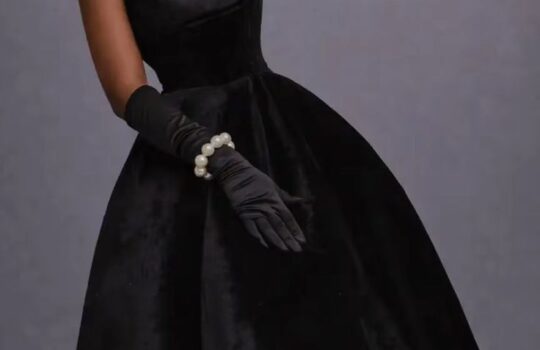
Rich fabrics (lace, satin, chiffon)
Coordinated accessories
Avoid anything too casual or overly simple.
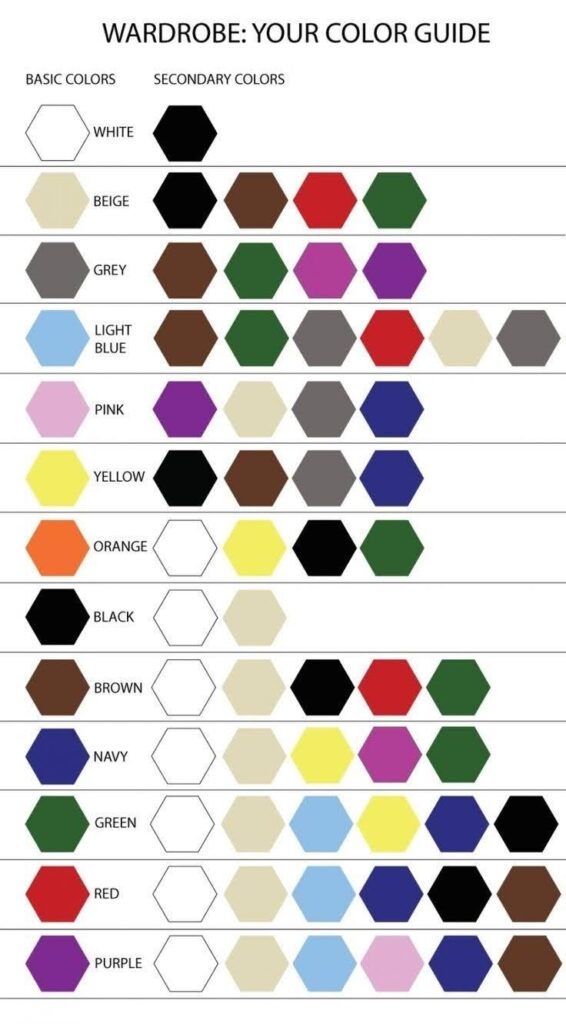
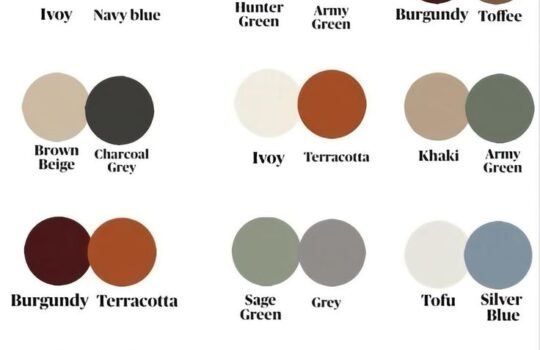
3. Let Color Speak Before You Do
Color is emotional. People feel your outfit before they understand it.
A smart outfit is not only about design, it’s about color psychology.
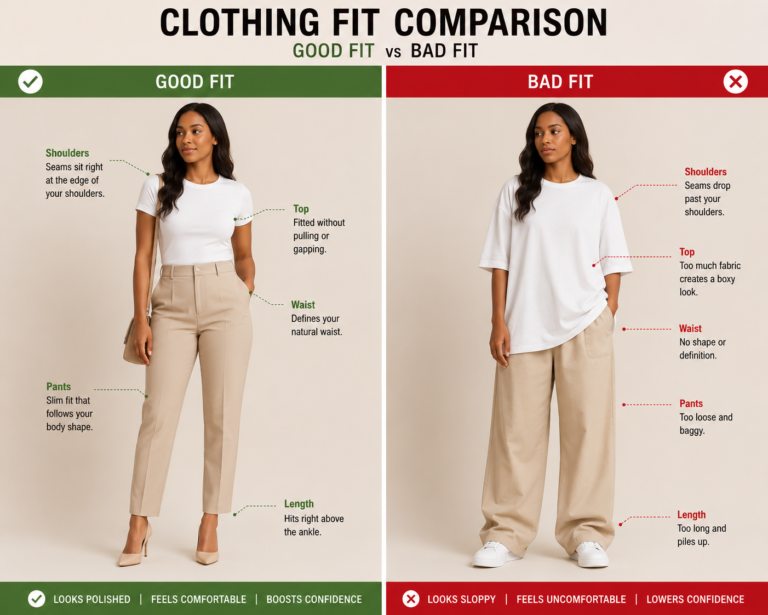
4. Fit Matters More Than Price
Fit matters more than price. A well-fitted outfit will always look better than an expensive one that doesn’t fit properly.
Pay attention to:
Shoulder fit
Waist definition
Length balance
Comfort when sitting or walking
If it doesn’t sit right on your body, it doesn’t belong on your body.
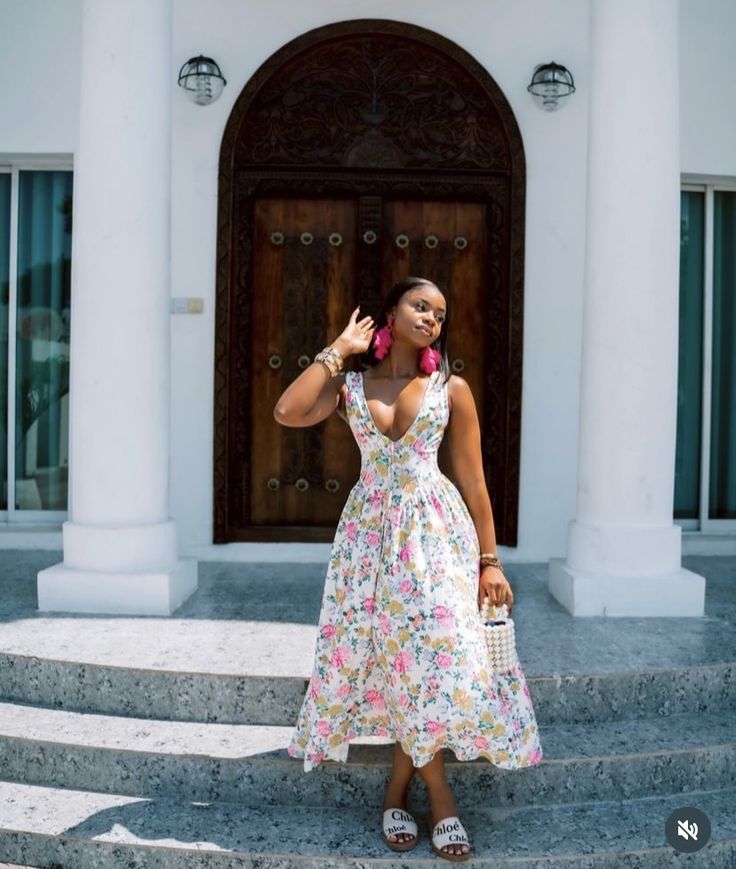
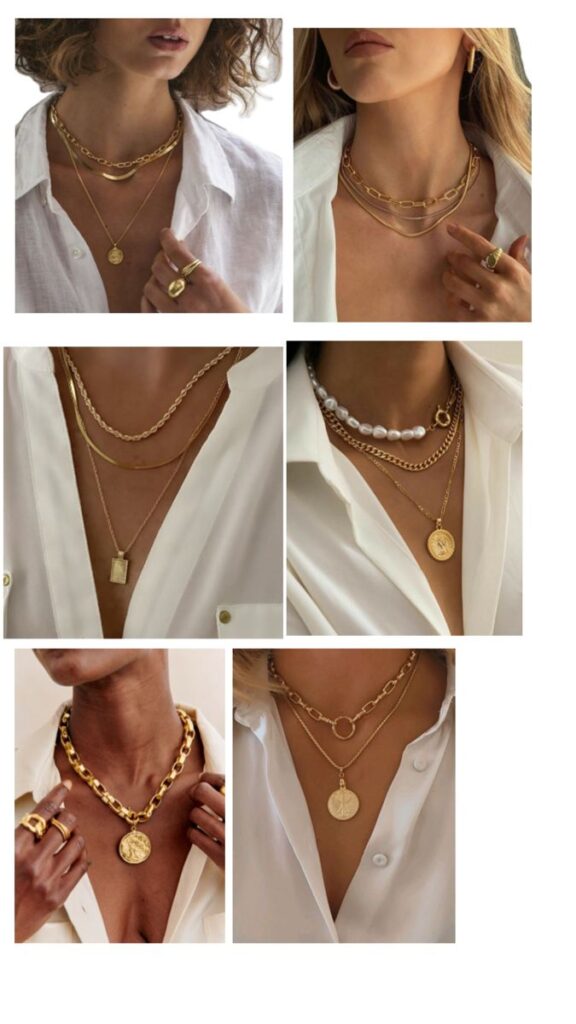
5. Accessories Should Complete, Not Compete
A common mistake is over-accessorizing.
Rule of thumb:
If your outfit is bold → keep accessories minimal
If your outfit is simple → let accessories elevate it
Think:
Small earrings for busy outfits
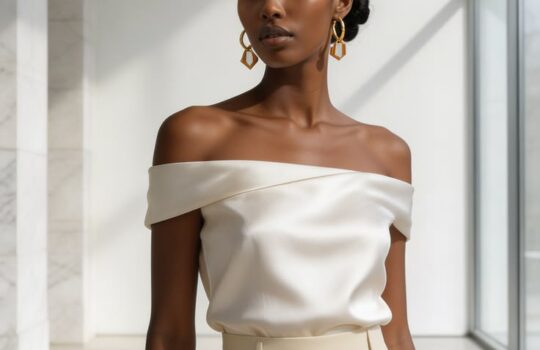
Statement jewelry for simple outfits
Matching bags and shoes for balance
Accessories are punctuation, not the full sentence.
6. Confidence Is the Final Layer
Even the perfect outfit fails without confidence.
Ask yourself:
Do I feel comfortable in this?
Can I move freely?
Do I feel like myself in this look?
If the answer is yes, you’re already 80% right.
DexStitches Styling Insight
At DexStitches, the goal isn’t just to sell outfits, it’s to help you understand how to wear them with intention. Because fashion is not about having clothes, it’s about knowing what works for your moment.
The right outfit doesn’t just match the occasion, it matches your presence.
When you understand context, color, fit, and confidence, you stop guessing and start styling with purpose.