Fashion is often dismissed as something superficial just clothes, trends, and aesthetics.
But some fashion pieces have done far more than just look good. They have challenged societal norms, reshaped identities, and influenced how people express themselves across generations.
From rebellion to empowerment, these iconic pieces didn’t just change wardrobes, they changed the world. And today, their influence is still visible in how we dress.
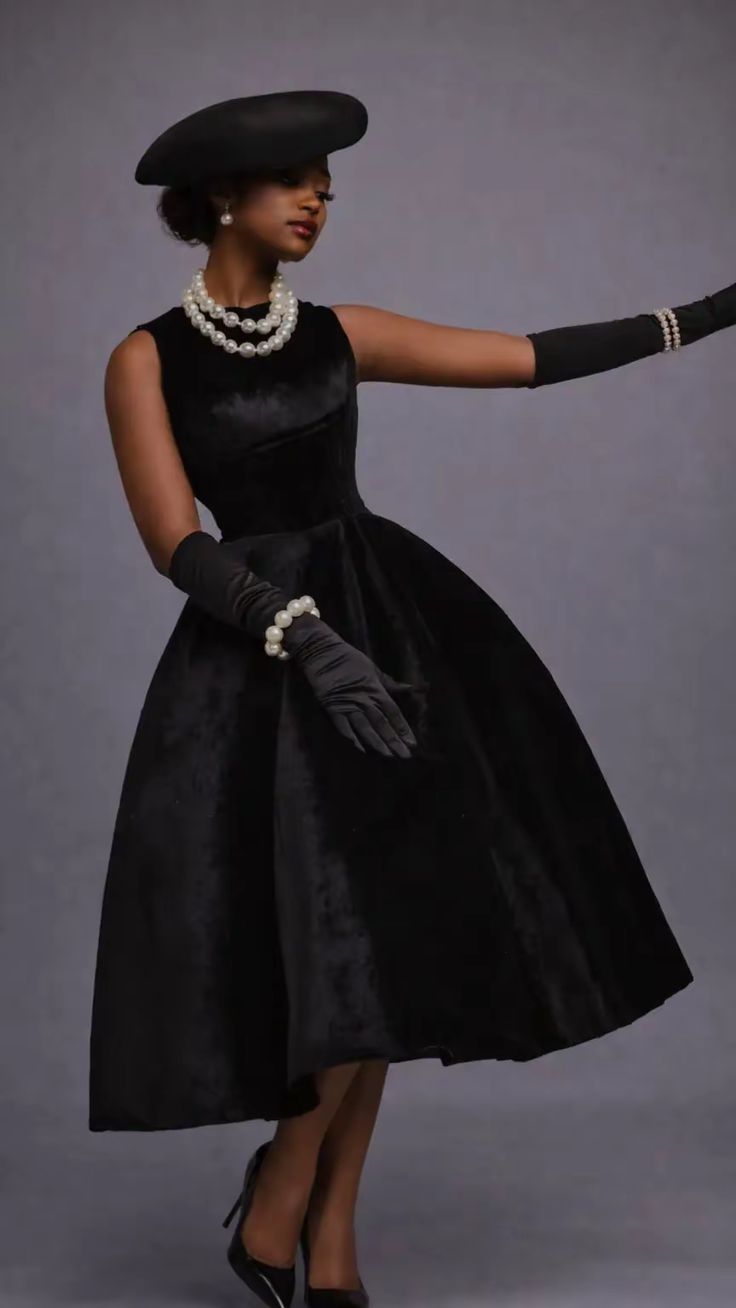
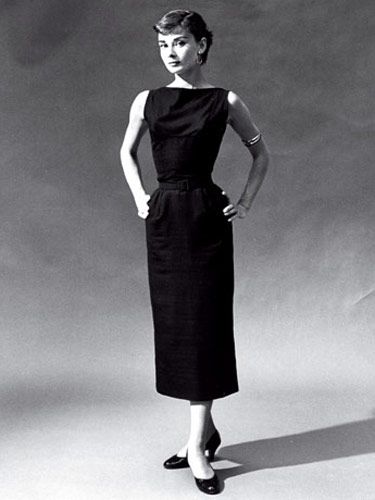
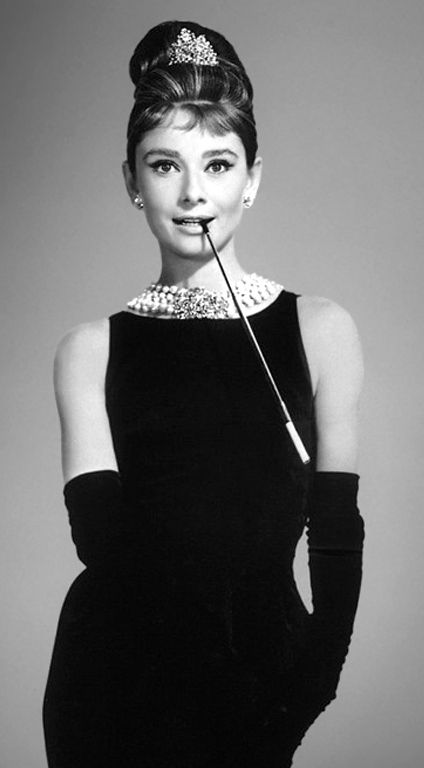
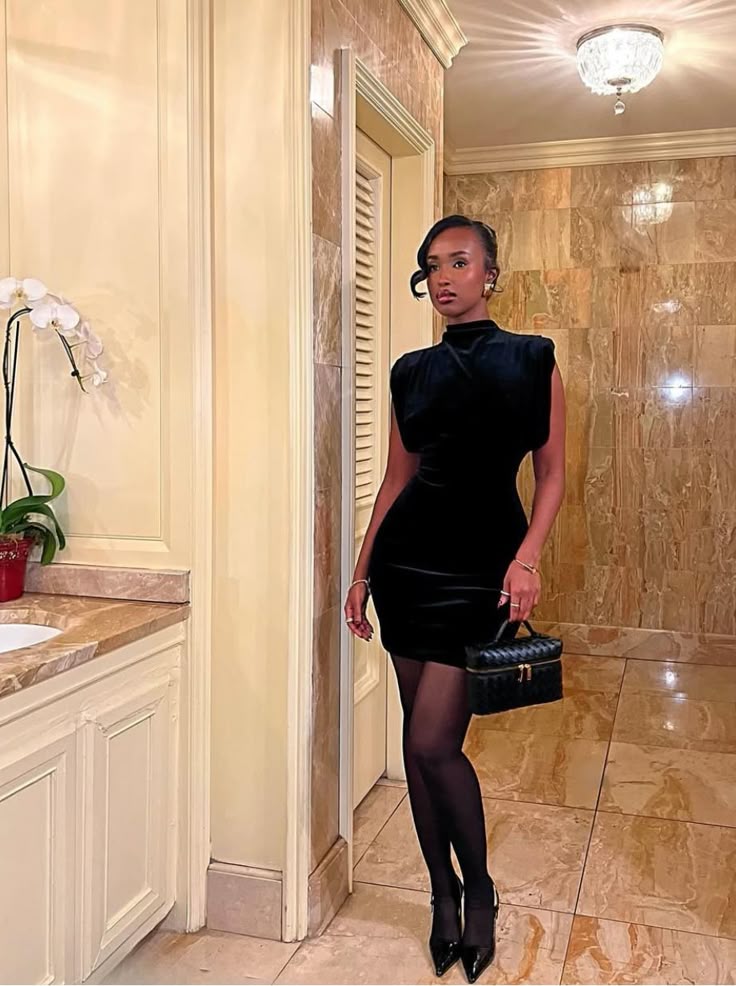
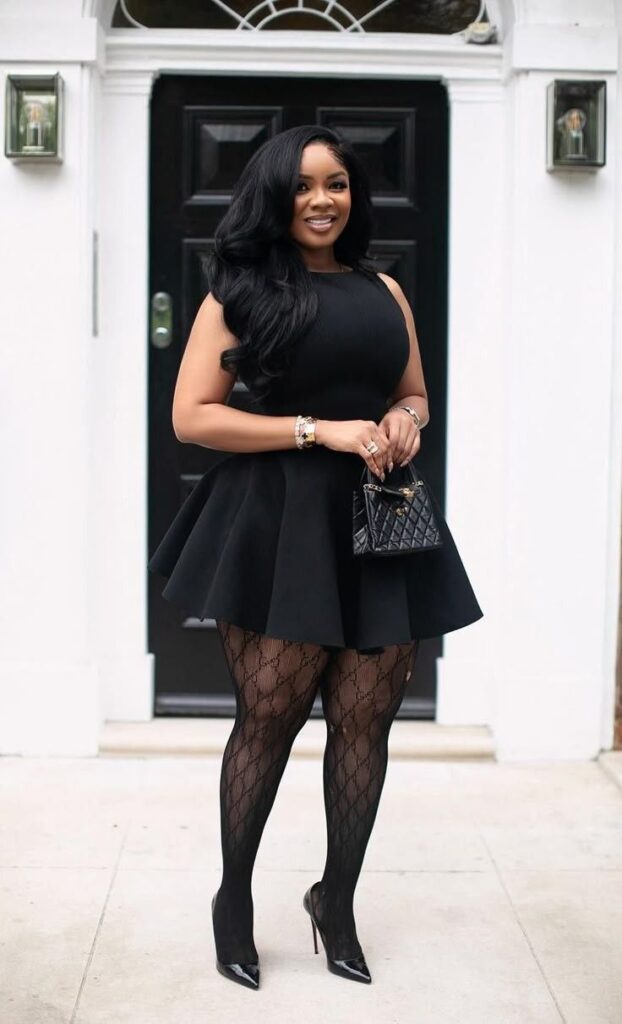
1. The Little Black Dress: Simplicity Meets Power
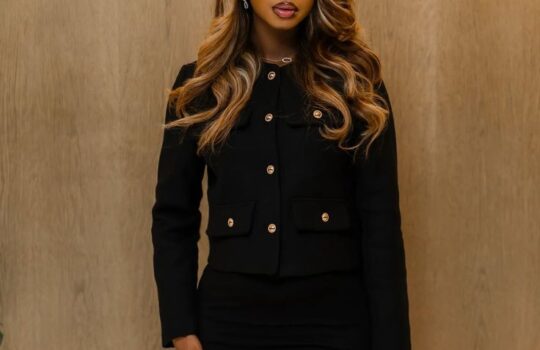
When Coco Chanel introduced the Little Black Dress in the 1920s, it changed the meaning of black in fashion forever.
Before then, black was mostly associated with mourning. Chanel transformed it into a symbol of elegance, simplicity, and timeless style.
The idea was revolutionary: you didn’t need extravagant designs to look sophisticated.
Today, that same principle lives on in modern fashion where minimal, versatile pieces are valued more than ever. At DexStitches, this influence can be seen in pieces designed to be worn effortlessly while still making a statement.
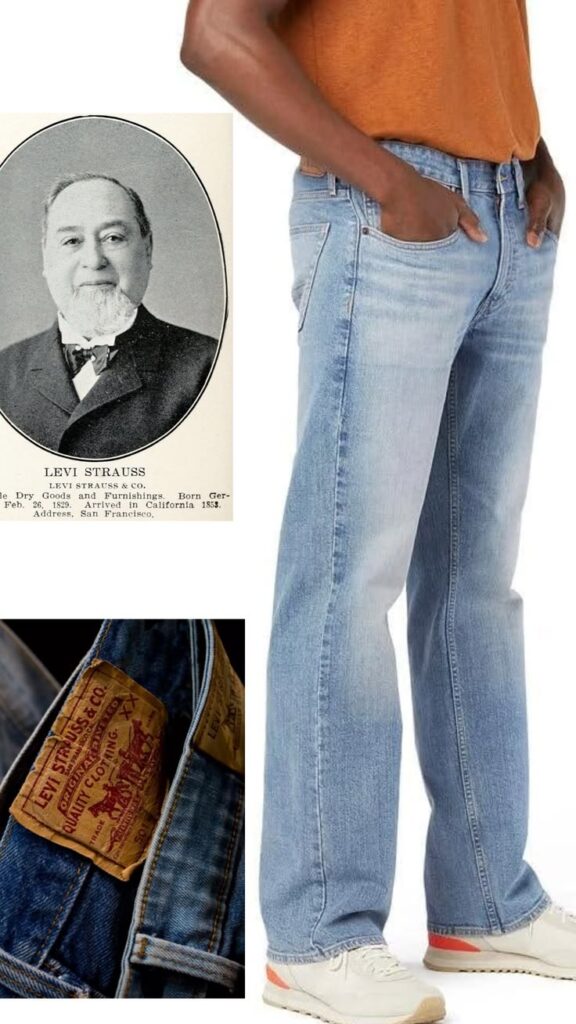
2. Blue Jeans: From Workwear to Global Staple
Created by Levi Strauss, jeans were originally designed for laborers who needed durable clothing.
But over time, denim evolved into something much bigger.
In the 1950s, jeans became a symbol of rebellion, worn by youth challenging authority. Today, they are one of the most universal fashion pieces worn across cultures, classes, and generations.
This transformation highlights the power of adaptability in fashion. Just like denim, modern styles continue to evolve, blending comfort and individuality, something that remains central to today’s fashion landscape.
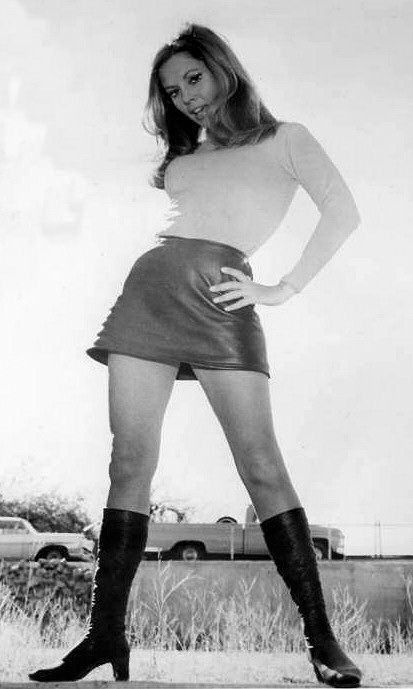
3. The Mini Skirt: A Statement of Freedom
In the 1960s, Mary Quant introduced the mini skirt and with it, a cultural shift.
The mini skirt was not just a fashion trend. It became a symbol of youth, confidence, and women’s liberation.
It challenged traditional ideas of modesty and gave women more control over how they expressed themselves.
Today, fashion continues to reflect that same spirit of individuality and confidence, encouraging women to embrace styles that make them feel powerful and seen.
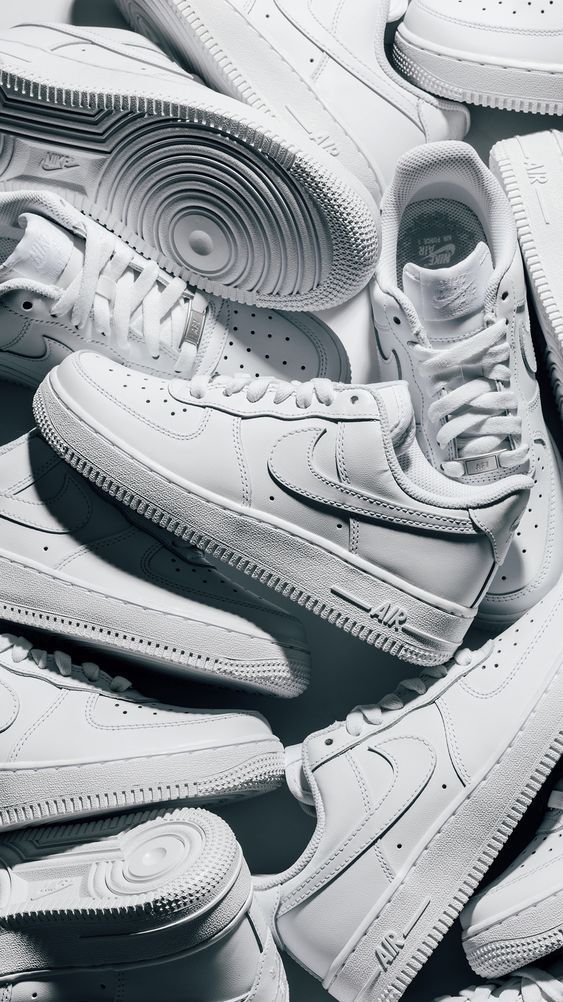
4. Sneakers: Redefining Comfort and Style
Sneakers were once strictly for sports. But brands like Nike helped bring them into everyday fashion.
What followed was a major shift: comfort became just as important as style.
Today, sneakers are worn with everything from casual outfits to more styled, fashion-forward looks. This evolution blurred the line between athletic wear and daily fashion.
Modern fashion continues to embrace this balance, where comfort and aesthetics coexist. It’s no longer about choosing one over the other, it’s about having both.
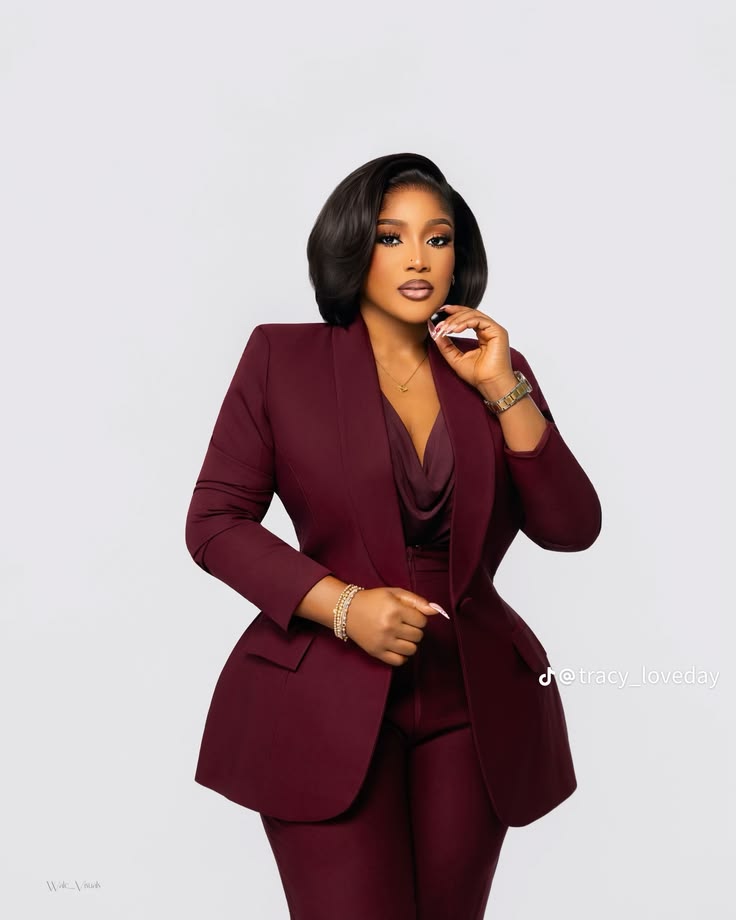
5. The Power Suit: Dressing for Authority
The power suit emerged as women began entering corporate spaces in larger numbers.
It wasn’t just about clothing, it was about presence.
Structured tailoring, sharp silhouettes, and bold styling allowed women to express confidence and authority in environments that once excluded them.
The power suit redefined femininity, proving that strength and elegance can coexist.
Today, fashion still carries that message encouraging women to show up boldly, confidently, and unapologetically.
Fashion Is More Than What You Wear
Fashion is not just about trends, it’s about transformation.
The pieces that truly stand out are the ones that challenge norms, tell stories, and reflect the evolution of society.
From the Little Black Dress to sneakers, these iconic items have shaped how we see style, identity, and self-expression.
And even today, their influence continues reminding us that what we wear is not just about appearance, but about who we are and how we choose to show up in the world.
At DexStitches, creating pieces that go beyond aesthetics to reflect confidence, individuality, and purpose. Because in the end, fashion isn’t just about what you wear, it’s about the story you choose to tell without saying a word.