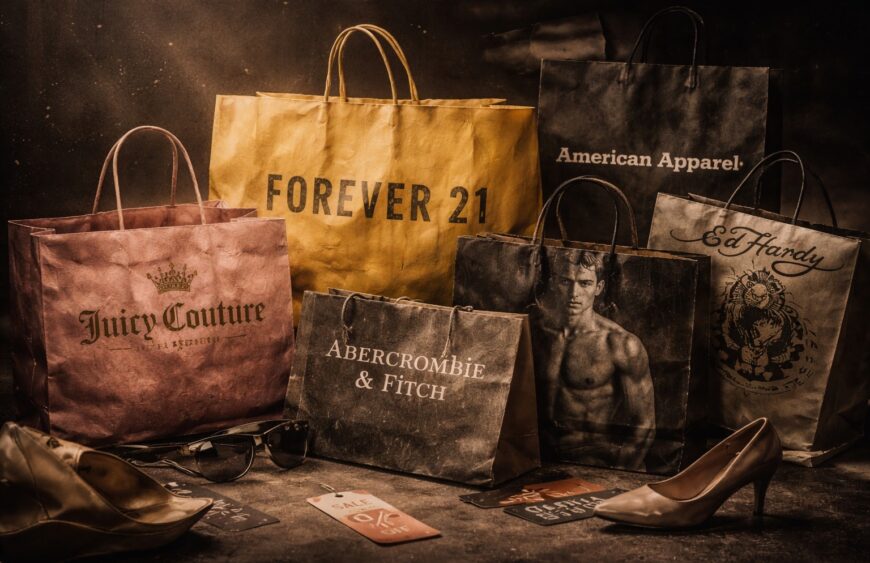
Fashion brands can dominate an entire generation, influence celebrity culture, and fill shopping malls around the world. But once trends change, many of those same brands struggle to stay relevant.
Some disappeared completely. Others filed for bankruptcy, lost popularity, or reinvented themselves to attract a new generation of shoppers.
For fashion lovers and smart shoppers, looking back at these brands is a reminder that fashion is always changing and that even the biggest names can rise, fall, and come back again.
1. Juicy Couture
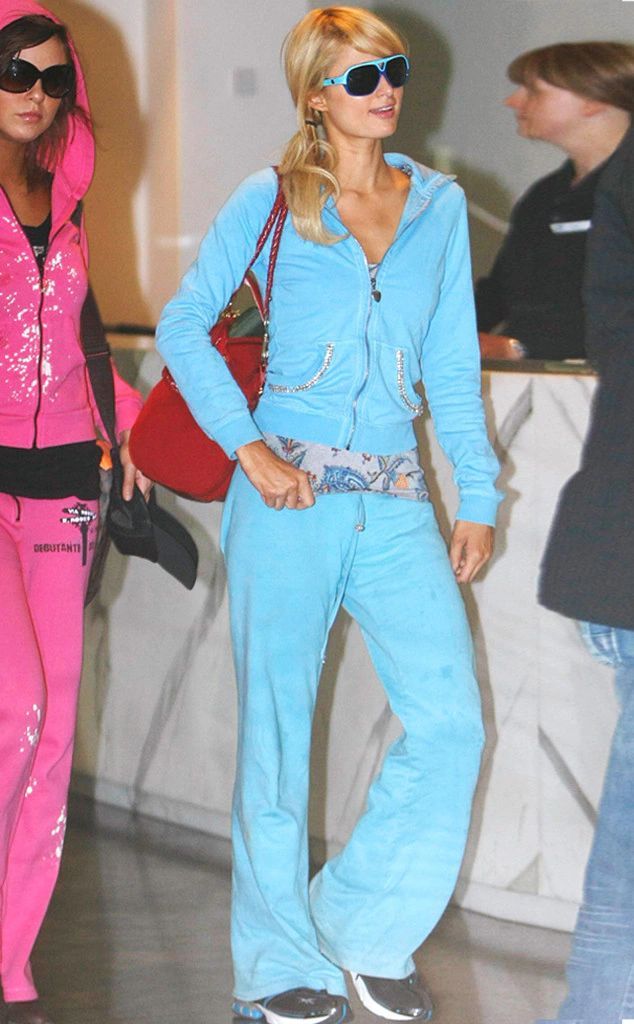
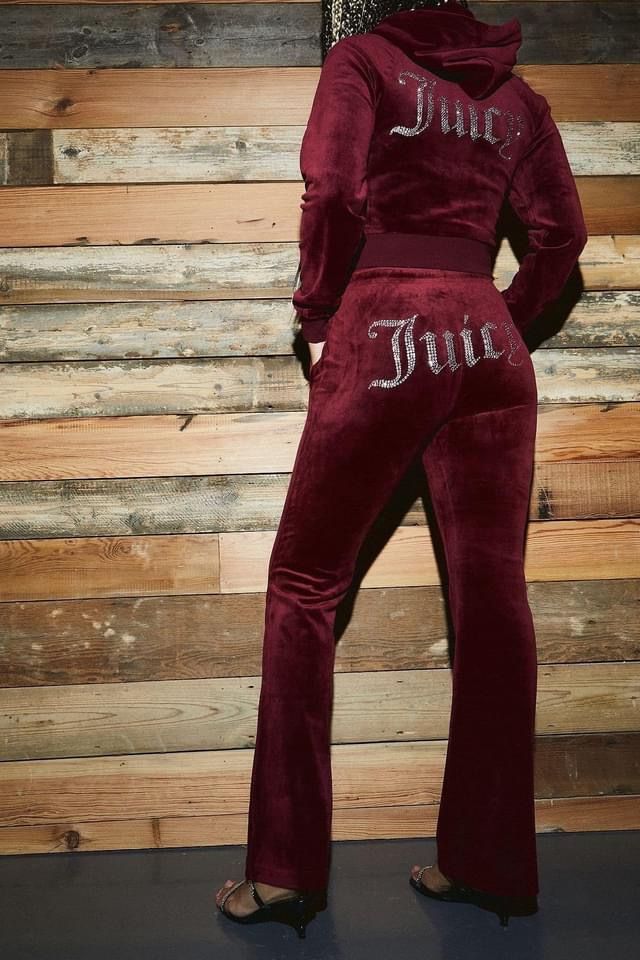
Juicy Couture was one of the biggest fashion names of the early 2000s. The brand became famous for its velour tracksuits, glamorous casual wear, and celebrity fans like Paris Hilton and Britney Spears.
After its peak, the brand lost popularity because its style became too closely tied to one era. As fashion became more minimal and less logo-heavy, Juicy Couture started to feel outdated. However, the brand never disappeared completely. It has returned through Y2K nostalgia, new collaborations, online shopping, and Gen Z interest in early-2000s fashion. The company now focuses more on e-commerce, lifestyle products, and modernized versions of its classic tracksuits.
2. Ed Hardy
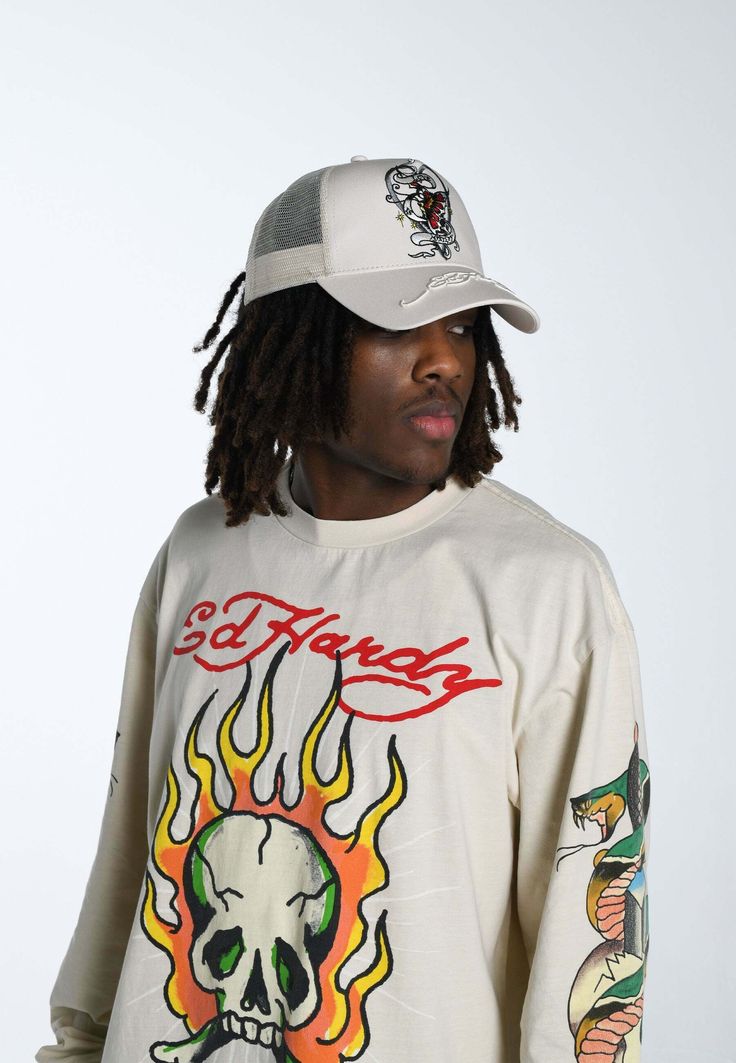
Ed Hardy exploded in popularity thanks to its tattoo-inspired graphics, trucker hats, and celebrity endorsements.
At its peak, the brand made hundreds of millions of dollars and became one of the most recognizable names in fashion. But the brand declined quickly after becoming overexposed and too heavily associated with flashy celebrity culture.
Many people also felt the designs became too loud and repetitive. Later, founder Don Ed Hardy regained more control over the brand, and newer collections focused more on authenticity and nostalgia.
Today, Ed Hardy has experienced a smaller comeback thanks to Y2K fashion and younger shoppers discovering the brand online.
3. Forever 21
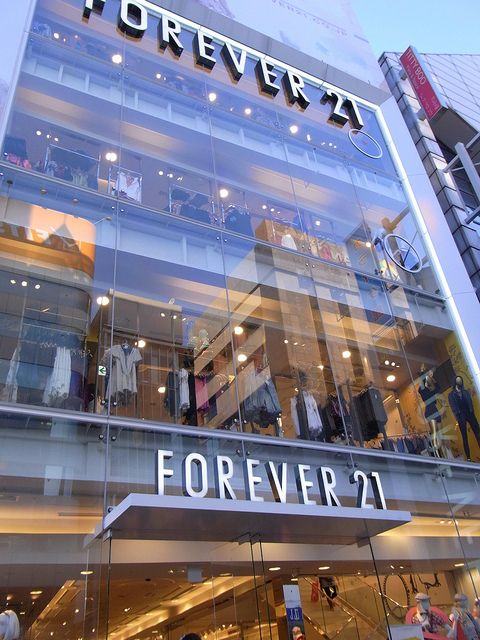
Forever 21 was once one of the biggest fast fashion brands in the world.
The company became successful by quickly creating affordable versions of runway trends and constantly changing inventory. It was especially popular with teenagers and young adults.
However, the brand struggled because of overexpansion, changing shopping habits, and increased competition from online fast fashion brands like Shein and Fashion Nova.
Forever 21 has filed for bankruptcy more than once and continues to close stores while trying to shift more toward online shopping and smaller retail locations.
4. Von Dutch
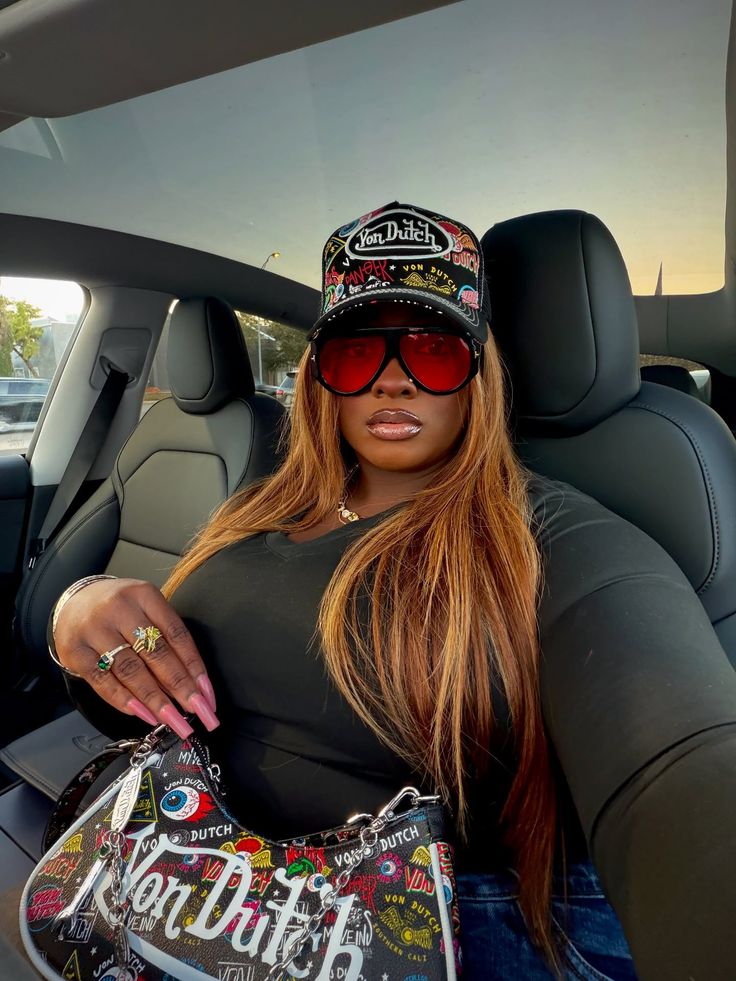
Von Dutch became famous for its trucker hats and bold logo designs.
The brand exploded because celebrities wore it everywhere. But once the trucker hat trend faded, Von Dutch struggled to stay relevant.
For years, the brand was seen as a symbol of early-2000s fashion excess. However, thanks to nostalgia and Y2K trends, younger shoppers have recently started wearing Von Dutch again.
Even though it is not as powerful as it once was, the brand has found new life through vintage fashion and social media.
5. American Apparel
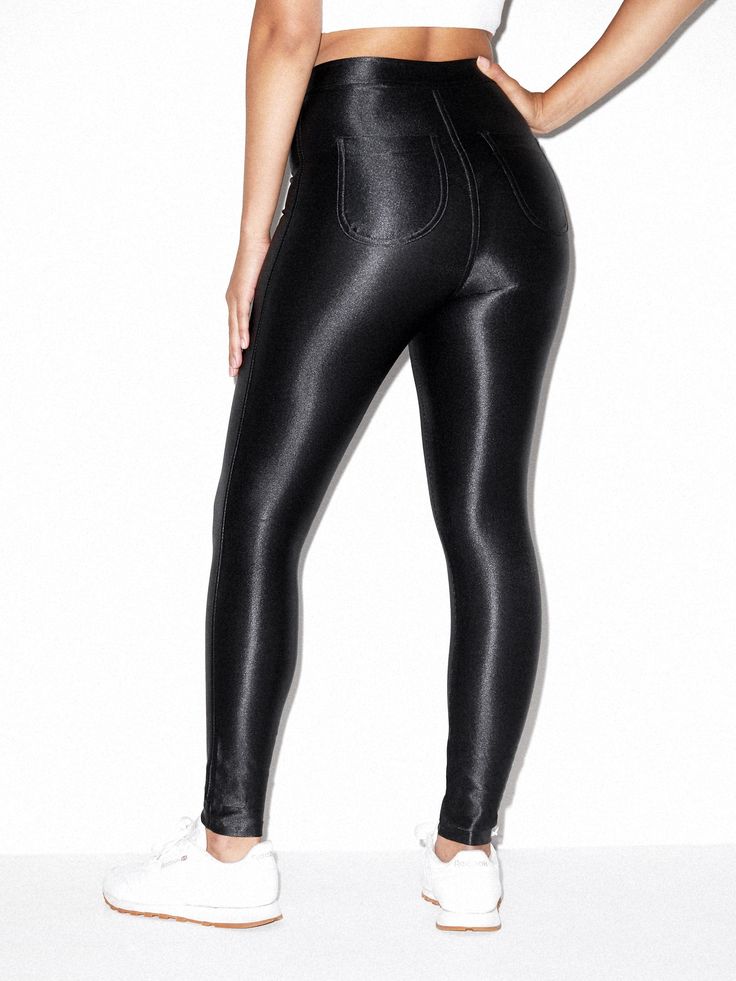
American Apparel was once known for colorful basics, fitted clothing, and edgy advertising campaigns.
The brand stood out because of its simple clothing and “Made in USA” image. However, it faced major financial struggles, leadership controversies, and changing fashion trends.
Eventually, American Apparel filed for bankruptcy and closed many stores. The brand still exists today in a smaller form, mainly online, but it is no longer as culturally dominant as it once was.
6. Abercrombie & Fitch
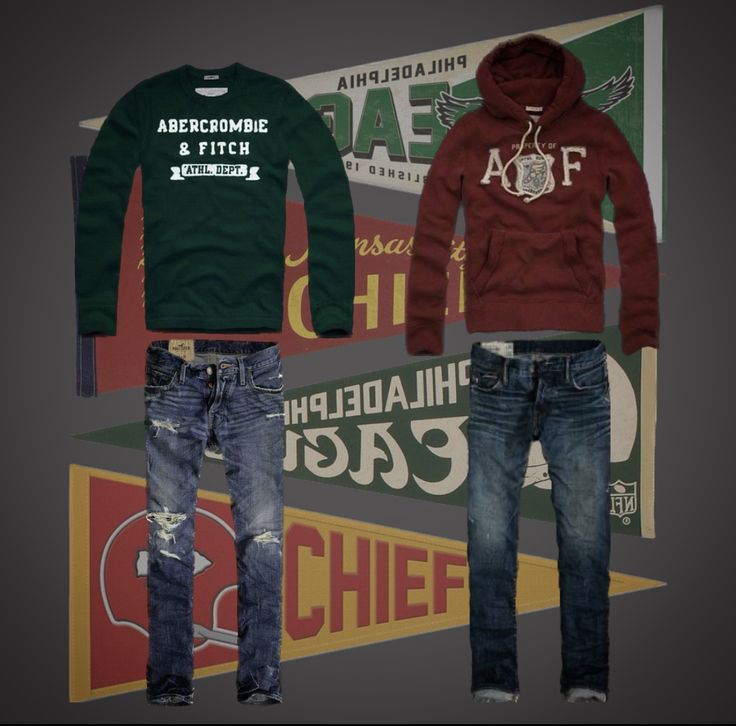
Abercrombie & Fitch dominated mall fashion in the 2000s with logo hoodies, polo shirts, and a preppy image.
But over time, the brand lost popularity because people viewed it as too exclusive, overly logo-heavy, and outdated.
In recent years, Abercrombie has made one of the strongest fashion comebacks by completely changing its image. The brand now focuses on more modern, wearable clothing and appeals to a wider audience.
Today, many shoppers see Abercrombie as stylish again, especially because of its cleaner designs and less aggressive branding.
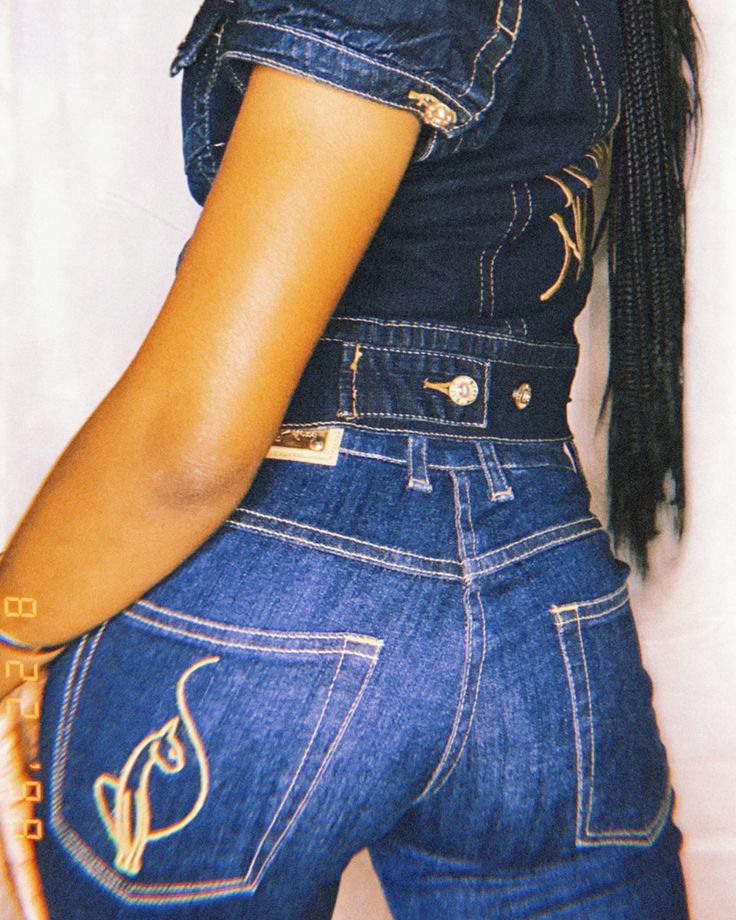
7. Baby Phat
Baby Phat was one of the most iconic fashion brands of the 2000s, especially in hip-hop and streetwear culture.
The brand was known for its glamorous style, cat logo, and bold clothing. However, as trends changed, Baby Phat slowly disappeared from mainstream fashion.
Recently, the brand has returned through nostalgia marketing, re-releases, and younger shoppers discovering vintage styles. Even though it is not as dominant as before, it still holds a strong place in Y2K fashion culture.
Why These Brands Matter Today
Fashion brands rise and fall because trends, customer preferences, and shopping habits constantly change.
Some brands disappear because they become too tied to one era. Others survive because they adapt, modernize, and find ways to stay relevant.
For shoppers on platforms like DexStitches, the lesson is simple: trendy items are fun, but timeless style usually lasts longer.
The smartest fashion choices are often a mix of both buying trendy pieces you love while building a wardrobe around items that will still look good years from now.