How African Fashion Is Redefining Global Style Right Now
A Cultural, Commercial, and Creative Renaissance
Africa Is No Longer “Emerging” — It Is Leading
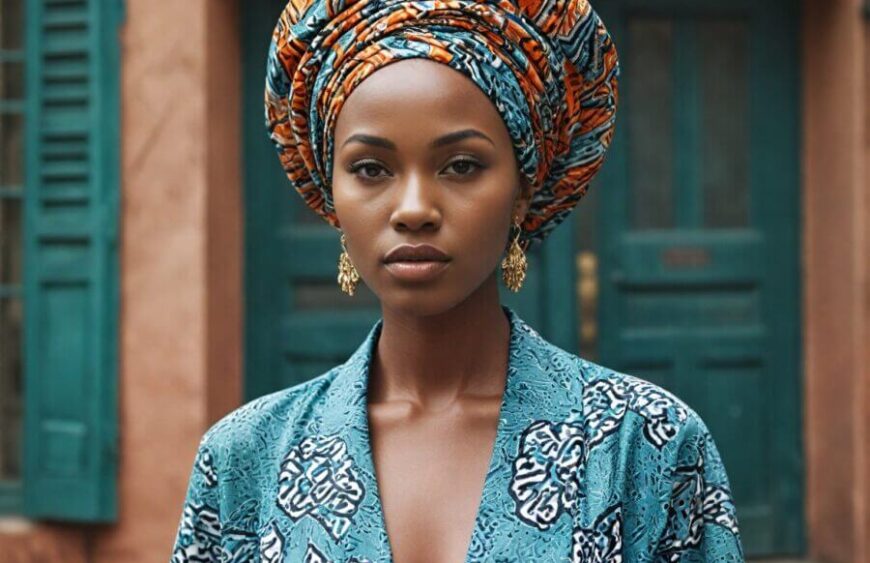
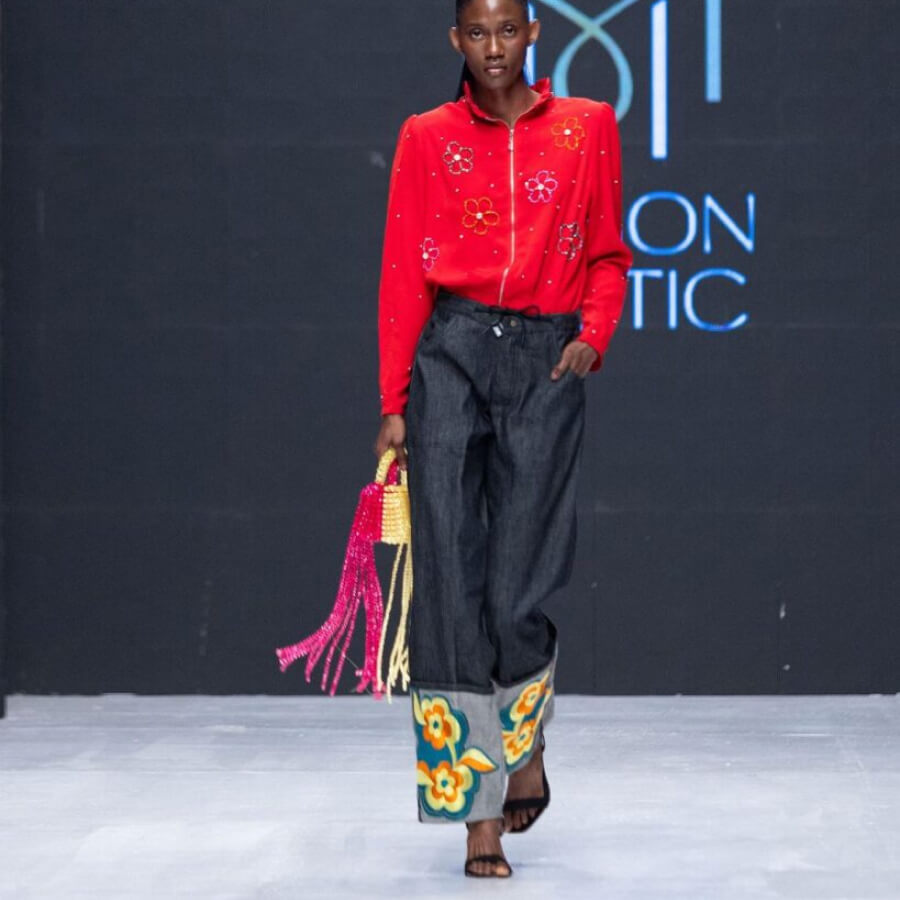
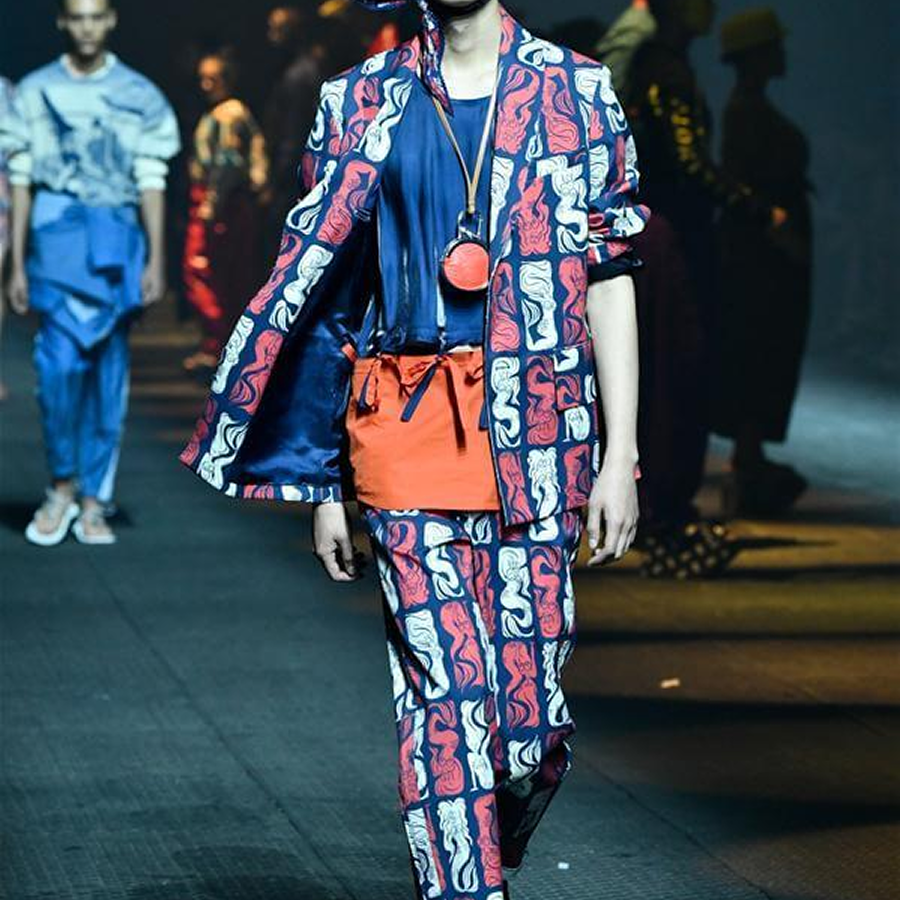
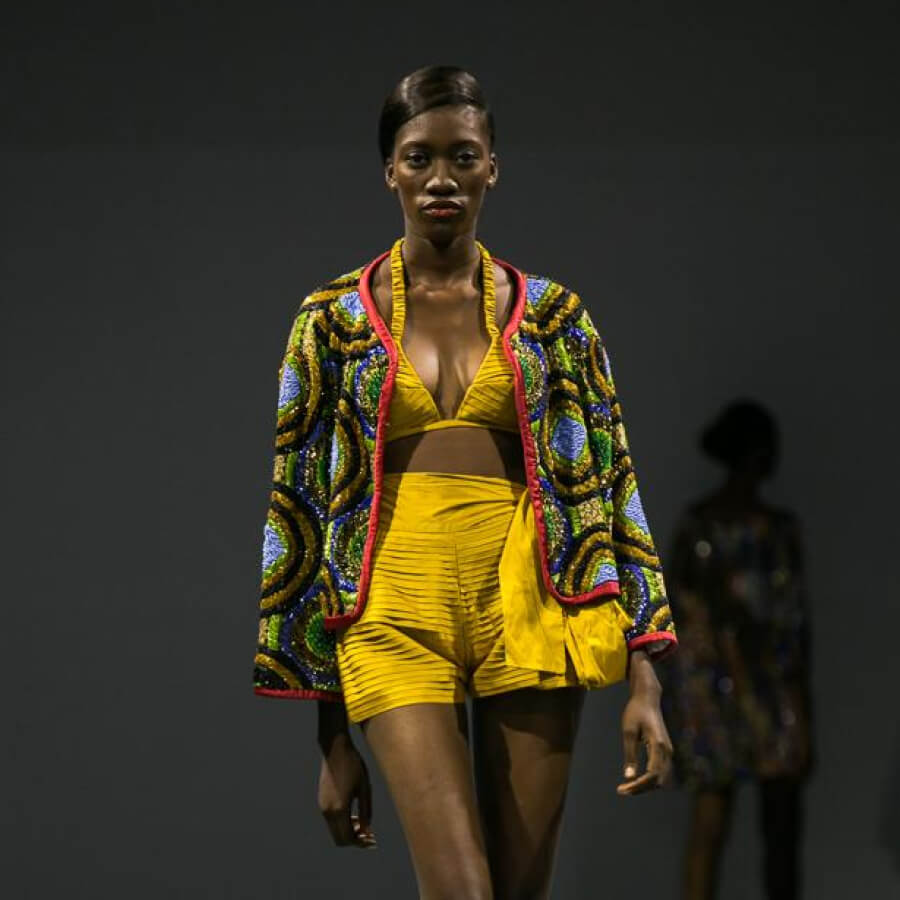
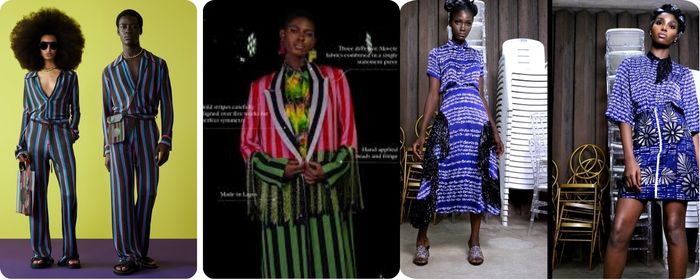
African fashion has crossed a defining threshold. What was once viewed through a niche or ethnographic lens has now become a central influence on global style. From Paris to Milan, Lagos to New York, African fabrics, silhouettes, and philosophies are no longer inspirations at the margins they are actively shaping the language of modern fashion.
This shift is not accidental. It is the result of centuries-old textile traditions, a new generation of visionary designers, and a global consumer hungry for fashion that carries meaning, craftsmanship, and identity.
The Textiles That Carry Africa’s Story
African fashion begins with fabric not merely as material, but as storytelling medium.
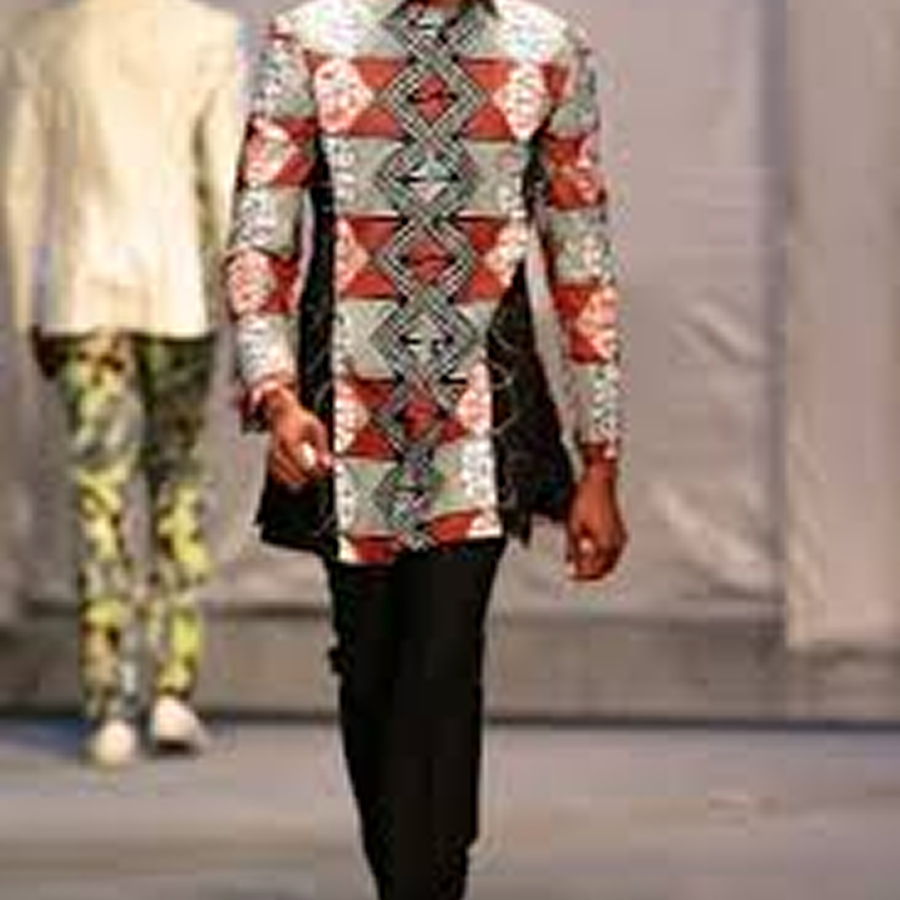
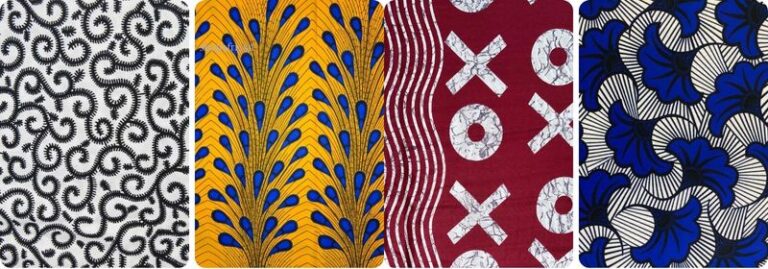
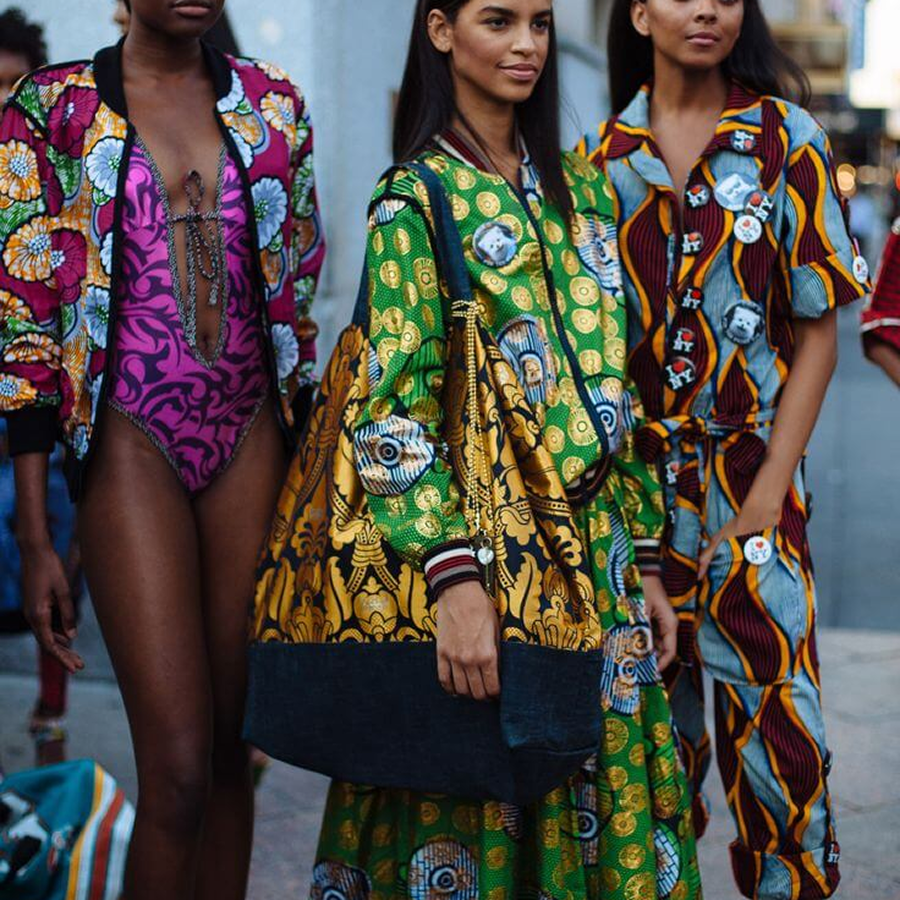
Ankara (Wax Print) — West Africa
Contrary to popular belief, Ankara’s origins trace back to Dutch wax-print techniques inspired by Indonesian batik, later embraced and culturally transformed across West Africa, particularly Nigeria, Ghana, and Côte d’Ivoire.
Over time, Africans redefined Ankara entirely. Patterns were given names, meanings, and social relevance:
Marriage
Power
Femininity
Political commentary
Today, Ankara functions as a visual language, worn both traditionally and in avant-garde forms on international runways.
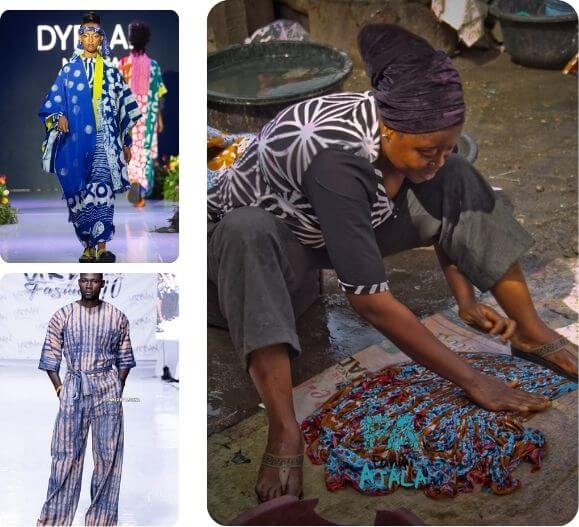
Adire — Yoruba (Nigeria)
Adire is a hand-dyed textile developed by Yoruba women using resist-dye techniques. Patterns often symbolize:
Spiritual protection
Womanhood
Social status
Ancestral wisdom
Modern designers have reimagined Adire into contemporary dresses, coats, and artwear, preserving its soul while expanding its form.
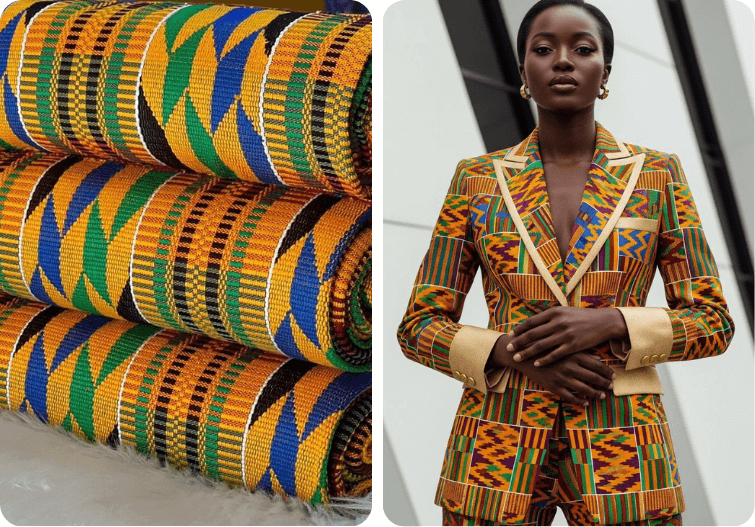
Kente — Ashanti & Ewe (Ghana)
Kente cloth is woven, not printed. Each colour and motif conveys meaning: Gold → royalty & wealth Green → growth & renewal Black → spirituality & maturity Once reserved for royalty, Kente has now become a global emblem of African excellence, often referenced in luxury collections.
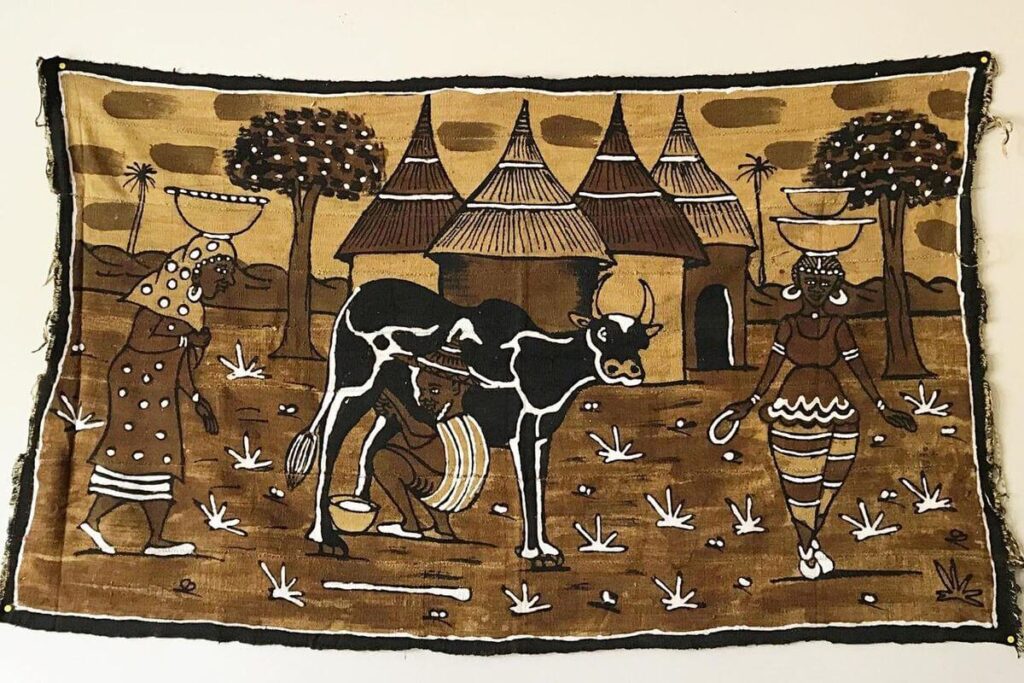
Mudcloth (Bogolanfini) — Mali & Burkina Faso
Created using fermented mud, Mudcloth communicates:
Life stages
Historical events
Moral values
Its earthy minimalism has made it particularly appealing to global designers seeking authentic, sustainable aesthetics
Mudcloth (Bogolanfini) — Mali & Burkina Faso
Created using fermented mud, Mudcloth communicates:
Life stages
Historical events
Moral values
Its earthy minimalism has made it particularly appealing to global designers seeking authentic, sustainable aesthetics
From Lagos to Paris: African Influence on Global Runways
African style has not only inspired designers — it has walked the world’s most powerful runways.
Major Runway Moments Featuring African Influence
Paris Fashion Week Brands like Dior, Valentino, and Kenneth Ize have showcased collections infused with African textiles, handwoven fabrics, and silhouette philosophies.
Milan Fashion Week African-inspired prints, draping techniques, and colour palettes have appeared in collections referencing heritage craftsmanship.
New York Fashion Week
Designers such as Pyer Moss (by Kerby Jean-Raymond) have explicitly centered African and Black diasporic narratives.
London Fashion Week
African designers and diaspora creatives continue to merge tailoring with cultural symbolism.
These moments mark a shift: African fashion is no longer “borrowed”, it is credited, collaborated with, and celebrated.
Designers Defining the Movement
Lisa Folawiyo (Nigeria)
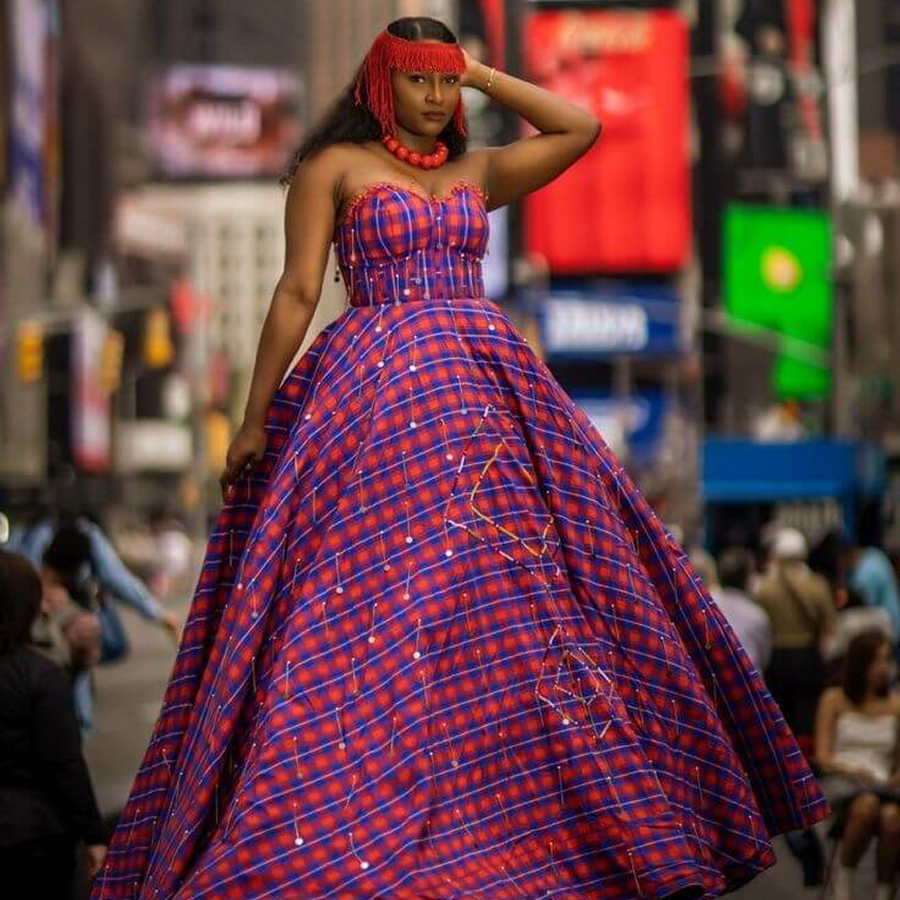
Renowned for elevating Ankara into luxury fashion through hand embellishment and tailoring, Lisa Folawiyo’s work has been worn globally and stocked internationally.
Amaka Osakwe — Maki Oh (Nigeria)
A pioneer in modern African fashion, Maki Oh blends Adire with sculptural silhouettes. Her designs have been worn by Michelle Obama, Beyoncé, and Rihanna, positioning African craftsmanship on the world stage.
Kenneth Ize (Nigeria)
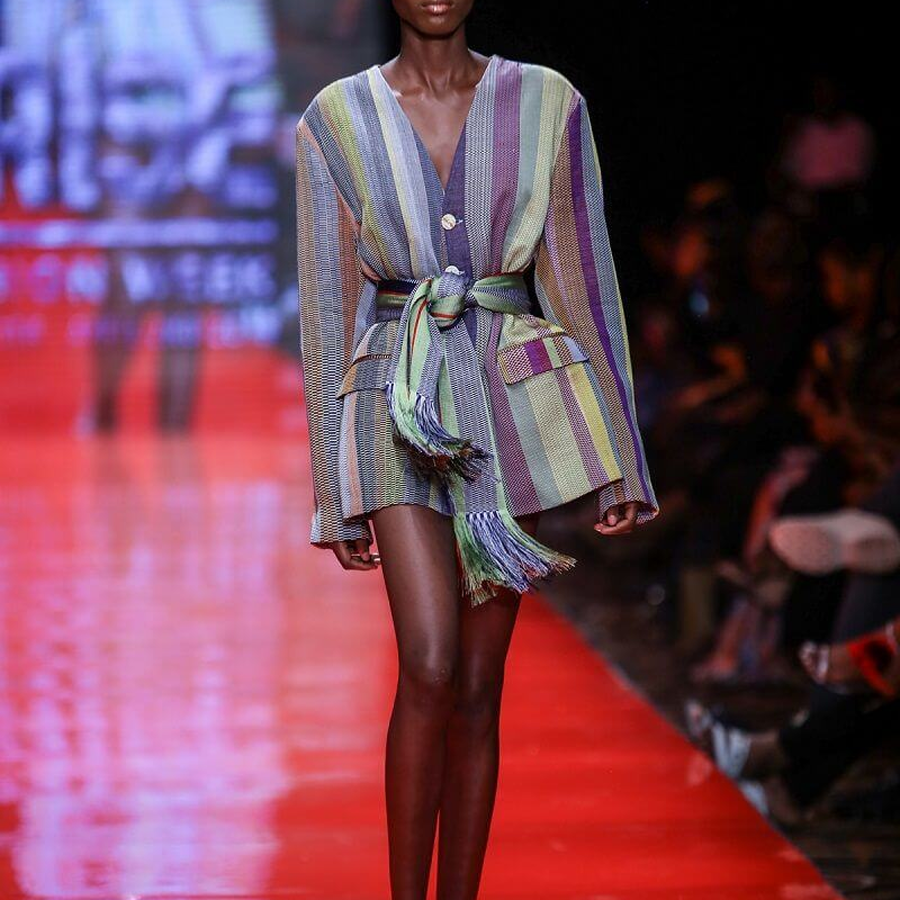
Championing handwoven Aso-Oke, Kenneth Ize collaborates directly with Nigerian weavers and has shown at Paris Fashion Week, including a collaboration with Karl Lagerfeld.
The Big Three: Contemporary African Fashion Leaders
Thebe Magugu — South Africa
Winner of the LVMH Prize, blending fashion with political and cultural storytelling.
Kenneth Ize — Nigeria
Global ambassador for handwoven African textiles.
Laduma Ngxokolo (MAXHOSA) — South Africa
Known for luxury knitwear inspired by Xhosa beadwork.
Then vs Now: African Fashion in 2000 vs 2025
2000
Primarily ceremonial or local wear
Limited global exposure
Minimal commercial infrastructure
2025
Global runway presence
Billion-dollar industry across the continent
Strong digital platforms and direct-to-consumer brands
Rise of bespoke and slow fashion
The shift reflects a broader global change: consumers now value story, ethics, and originality
Why Global Fashion Is Looking to Africa
African fashion offers what modern fashion seeks:
Sustainability
Craftsmanship
Cultural authenticity
Emotional connection
In an era fatigued by fast fashion, Africa provides depth over excess.
Where DexStitches Fits Into This Global Story
Platforms like DexStitches.com are part of Africa’s new fashion infrastructure, connecting designers, craftsmanship, and consumers seamlessly.
DexStitches enables fashion lovers to:
Discover African-inspired designs
Shop curated pieces rooted in culture
Access modern silhouettes with heritage influence
Support African creativity globally
Whether you’re drawn to Ankara tailoring, contemporary Adire, or Afro-modern silhouettes, DexStitches bridges tradition and modernity in a way that fits today’s global lifestyle.
Conclusion Africa Is Not a Trend — It Is the Blueprint
African fashion is not redefining global style by imitation, but by assertion. Through textiles that speak, designers who lead, and platforms that connect, Africa has become one of fashion’s most powerful voices.
The world is no longer asking if African fashion belongs on the global stage